
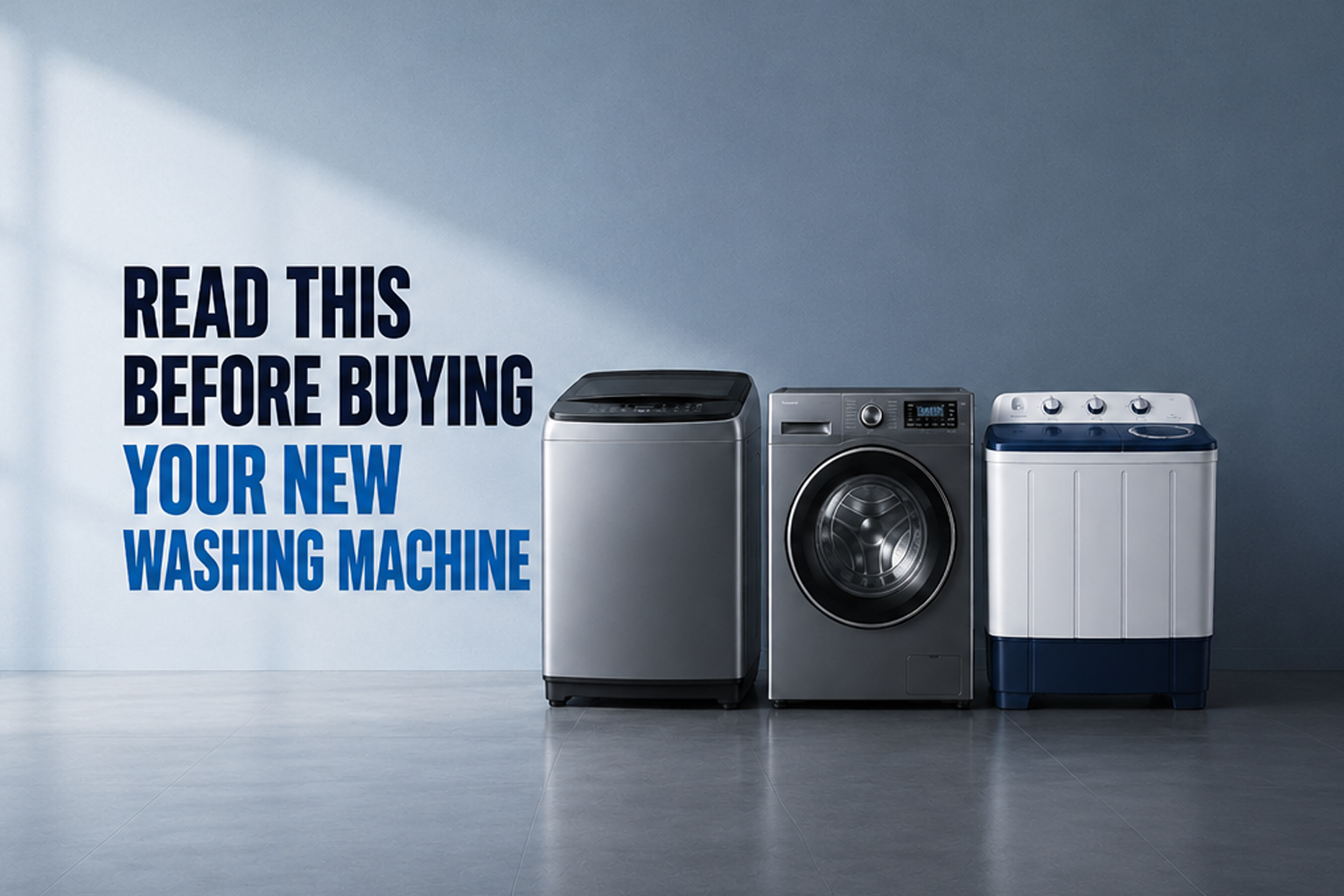

Selecting the right washing machine can feel like a daunting task, but it ultimately comes down to balancing your budget, your laundry habits, and your available space. Whether you are eyeing a modern front-loader, a traditional top-loader, or a manual twin-tub, understanding the trade-offs is key to making the right investment.
Front-Load Washers: The Efficiency Experts
Front-load washers have become increasingly popular due to their superior cleaning performance and energy efficiency. They clean clothes by tumbling them through a shallow pool of water, which is generally gentler on fabrics.
Pros
- Highly Efficient: They use significantly less water and energy, leading to lower utility bills over time.
- Gentle on Fabrics: The tumbling motion reduces wear and tear, making them ideal for delicate items.
- Space-Saving: Many models are stackable with a dryer, making them perfect for apartments or small laundry rooms.
- Better Cleaning: High-speed spinning extracts more water, leading to shorter drying times.
Cons
- Higher Upfront Cost: These machines are typically more expensive to purchase.
- Ergonomics: You have to bend or kneel to load and unload clothes.
- Maintenance: They require regular cleaning of the door gasket to prevent mold and odors.
Who should buy one? Choose a front-loader if you prioritize long-term energy savings, have limited space, or frequently wash delicate clothing.
Top-Load Washers: The Reliable Classics
Top-loaders are the traditional choice for many households. They are known for their ease of use and ability to handle large loads quickly.
Pros
- Affordability: They generally have a lower purchase price and are cheaper to repair.
- Easy Loading: You can stand upright while loading clothes, which is much more ergonomic for many users.
- Fast Cycles: They often offer shorter, more convenient wash cycles.
- Less Maintenance: They don’t have airtight seals, meaning they are less prone to odors and mildew.
Cons
- Lower Efficiency: They use more water and energy compared to front-loaders.
- Fabric Wear: Models with a central agitator can be harsh on clothes, leading to tangling or stretching.
- Space: They are bulky and generally cannot be stacked with a dryer.
Who should buy one? Choose a top-loader if you are on a budget, prefer easy access without bending, or need a machine that handles large, bulky items quickly.
The Twin-Tub Alternative: Manual Control
If you live in an area where water conservation is managed manually or you prefer a hands-on approach, the twin-tub washer is a distinct option. These machines have two separate tubs: one for washing and one for spinning.
Why Consider a Twin-Tub?
- Semi-Automatic: You manually transfer clothes from the wash tub to the spin tub.
- Cost-Effective: They are typically the most affordable option and are simple to repair.
- Flexibility: You can wash and spin loads simultaneously, which can save time if you are managing a large volume of laundry.
Who should buy one? A twin-tub is ideal for someone looking for a low-cost, durable machine who doesn’t mind the manual effort of transferring clothes. It is a great choice for large families who need to process many loads quickly on a budget.
Summary Comparison Table
| Feature | Front-Load | Top-Load | Twin-Tub |
| Upfront Cost | Higher | Moderate | Lower |
| Efficiency | Excellent | Moderate | Variable |
| Ease of Use | Requires Bending | Ergonomic | Manual effort required |
| Maintenance | Gasket cleaning | Minimal | Low |
| Best For | Delicates, small spaces | Families, convenience | Budget-conscious, manual control |
By assessing your specific needs—whether it’s the high-tech efficiency of a front-loader, the convenience of a top-loader, or the hands-on value of a twin-tub—you can find the perfect machine to handle your laundry for years to come.
Which of these factors—budget, space, or convenience—is the most important for your current living situation?